AI development, end to end
From raw data to a deployed, usable tool: we design, train and ship the model itself, with validation and explainability engineered in from day one.

Credio designs, builds and proves the AI behind high-stakes decisions. We deliver AI model pipelines with explainability, robustness, validation and regulatory evidence engineered in.
Built on a decade of peer-reviewed AI research.

The methods and standards we hold the work to
We pair the best algorithms with the right tools and process to turn your data into decisions you can defend. Every capability below is delivered with explainability and validation built in.
From raw data to a deployed, usable tool: we design, train and ship the model itself, with validation and explainability engineered in from day one.
We uncover the non-obvious patterns in complex, high-dimensional data — going beyond classical analysis to the relationships that actually drive outcomes. We seek evidence and cause-and-effect, not just correlation.
AI that helps an expert make the call — a diagnosis, a prognosis, a plan. Predicting what comes next, not just describing what happened.
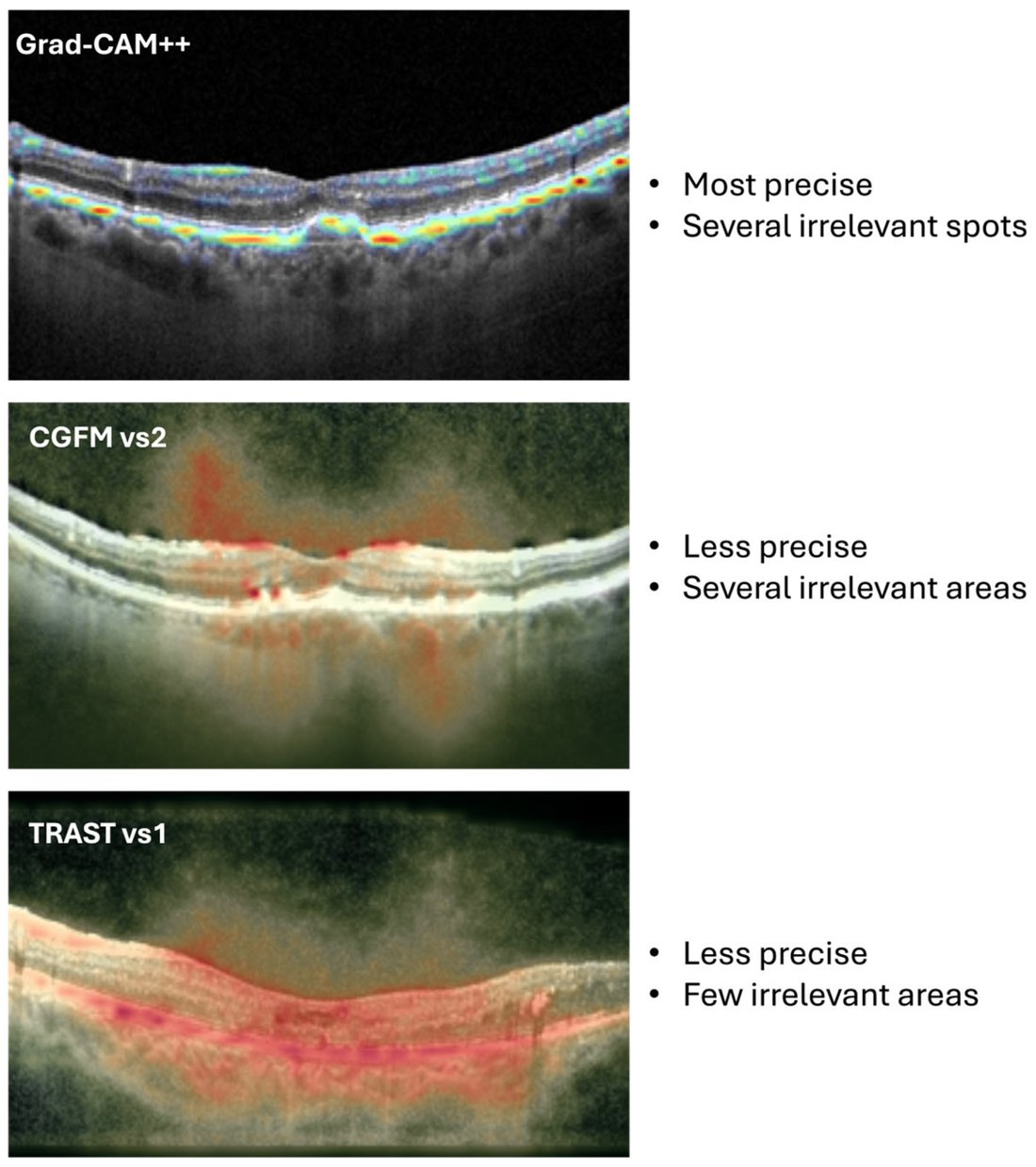
Established explainable-AI methods, tailored to the models you or we have built — interpretable design, then engineering and visualization, so users understand why the AI reached a decision, in comprehensible terms.
Independent, adversarial stress-testing and generalisation checks that tell genuine performance from a flattering result that won't survive the real world.
The technical dossier and roadmap that get a model ready for MDR / IVDR and EU AI Act review — evidence, not surprises.
Anyone can train a model. Far fewer can prove it truly works, explain it to the person who carries the decision, and build the thing in the first place. That combination is the whole of Credio.
We pressure-test a model from every angle and have the judgment to tell genuine clinical performance from a flattering result that won't survive contact with the real world — a new hospital, a different scanner, a patient population the training data barely saw.
We are experts in explainable AI. We make a model clear to the clinician or engineer who owns the outcome — a tool they understand and can question, not a black box taken on faith. The accountable expert should be able to read why the model said what it said.
Hybrid intelligence: the expert stays responsible and the model becomes something they can genuinely rely on. Our work is human expertise you can cite — never an automated rubber stamp.
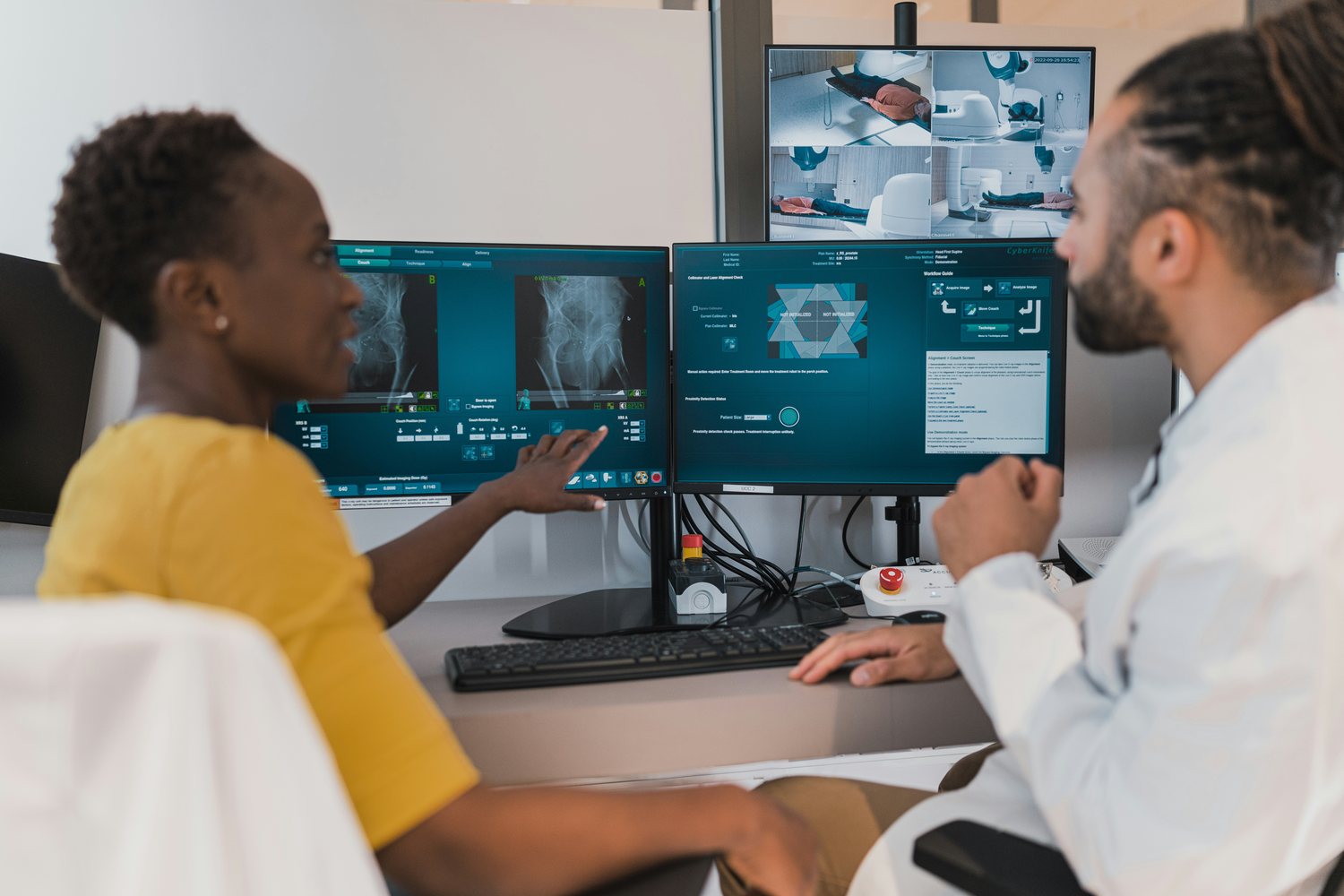
Hybrid intelligence: we make the model something the clinician or engineer who owns the decision can genuinely rely on — and question.
Bring us in to build the model itself, to make it explainable, to prove it holds up independently, or to get it regulator-ready: data → model → validation → trusted dossier.
When you need the model itself, we design, train and deploy it with you, with validation and explainability engineered in from day one. In medicine we focus on the models that touch patient care — diagnosis, imaging, decision support, prognosis and treatment planning — not back-office administration.
We are experts in explainable AI. We engineer it into your model and make it clear to the clinicians and decision-makers who will actually rely on it.
An independent, expert verdict on whether your model genuinely holds up — and a dossier others can trust.
Not certification — the evidence and the roadmap that get you ready for formal regulatory review, without surprises.
Tell us about your AI project and where it stands. We'll point you to the right starting line — whether that's a plan to build a model or a verdict on one you already have.
of FDA-cleared medical-AI devices, in one review of more than 500, shipped with no published clinical-validation data.
Most AI is documented. Far less of it is genuinely validated. That gap — between a model that looks ready and one that is — is where errors hide, where trust breaks down, and where regulators now look first.
Whether we build your model or pressure-test one you already have, closing that gap is the point.
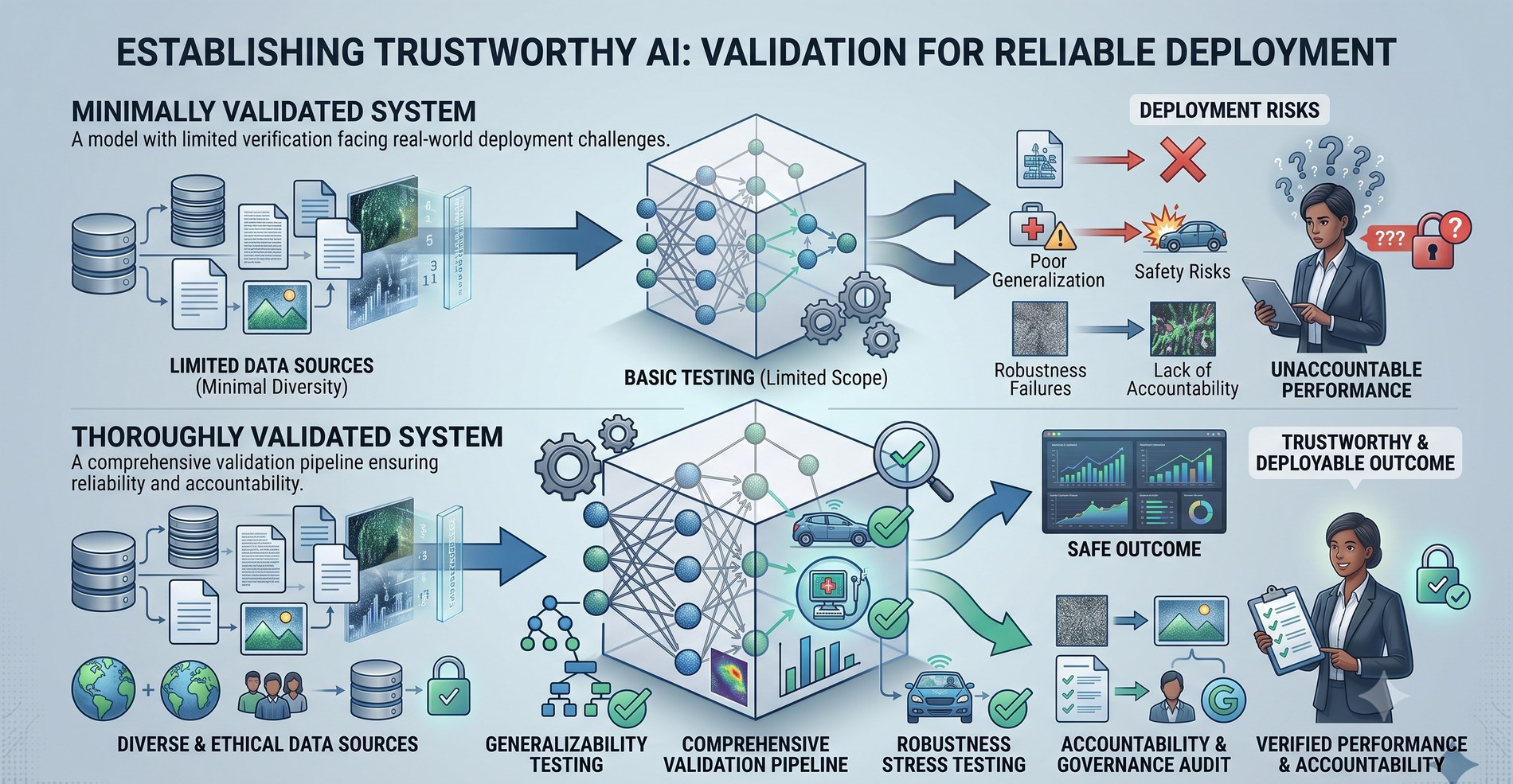
Two views of the same discipline: the path from a thinly-tested system to one that is thoroughly validated and safe to deploy, and the path from an opaque model to one the accountable expert can actually read. Whether we are validating your model or building ours, both journeys are the standard we hold the work to.
A model can pass a quick internal test and still be quietly fragile. The difference between a system that looks ready and one that is shows up only when you stress it the way the real world will.
Limited data sources with little diversity, checked by basic testing of limited scope. Out in the field, this is where the failures appear.
The outcome is performance no one can stand behind.
A comprehensive validation pipeline that earns reliability rather than assuming it.
The result is verified performance you can deploy with confidence.
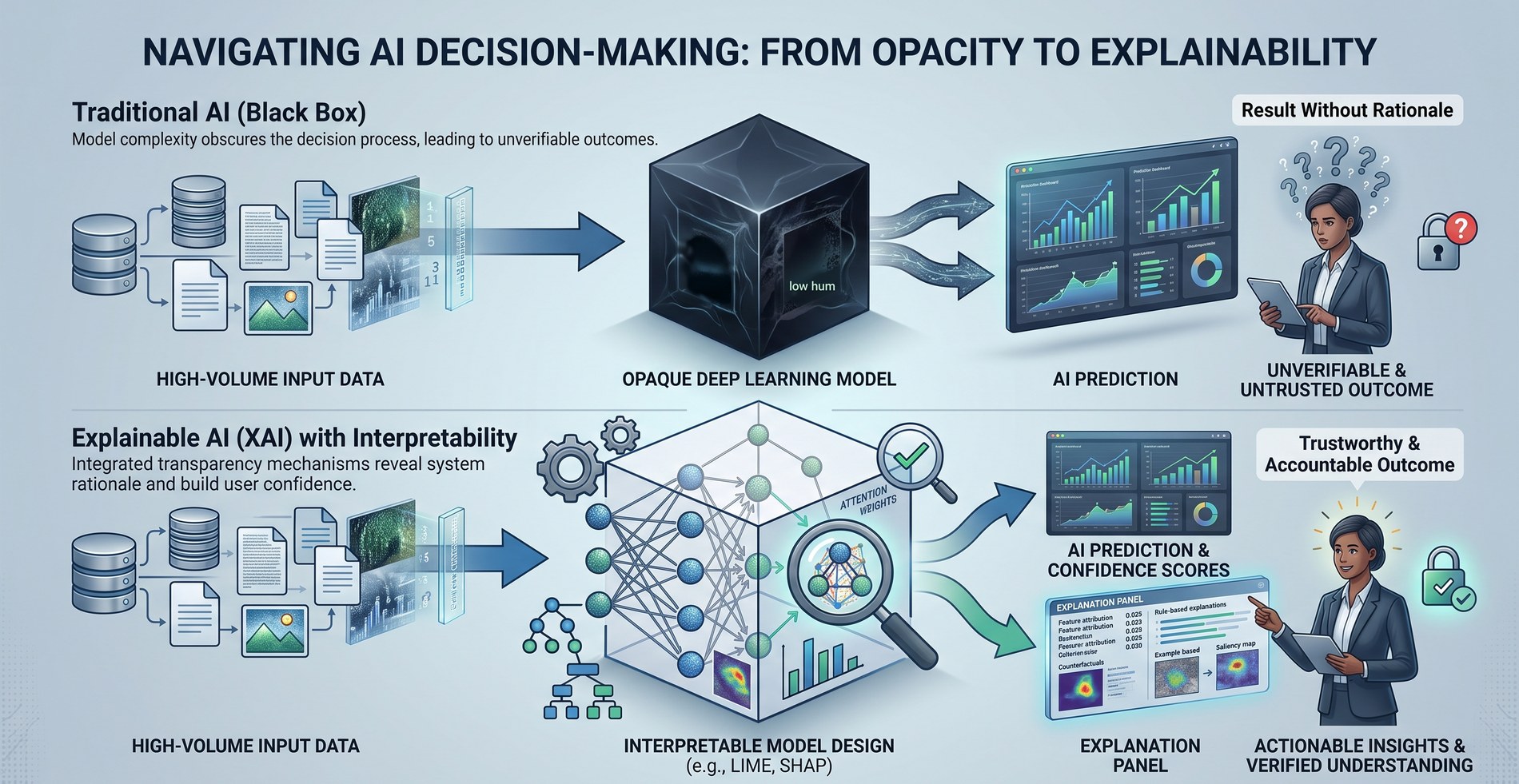
A model that is accurate but unreadable still asks the clinician to trust it blindly. In medicine that is rarely good enough — the person who carries the decision needs to see the reasoning, not just the result.
High-volume input data goes into an opaque deep-learning model and a prediction comes out — but the complexity hides the decision process.
The clinician is left holding a number they can't question.
Transparency is built into the system so its reasoning is visible.
A prediction a clinician can question, confirm and own.

 Designed to the frameworks
Medical AI is now assessed against a fast-growing body of regulation and reporting standards — general-purpose AI governance and medicine-specific guidance alike. We know these frameworks, design to them from the start, and produce evidence that maps to them — turning a wall of acronyms into a clear, prioritised path to evidence.
Cross-sector frameworks
Medicine-specific regulation & reporting
We design to these frameworks from the start and produce evidence that maps to them — so compliance is a by-product of doing the work well, not a scramble at the end.
Credio is built on more than a decade of applied AI: funded research projects, an active peer-reviewed publication record, high-performance computing on tap, and diagnostic models validated across multiple hospitals. That depth is why an independent verdict from Credio carries weight — and why the models we build start from research-grade foundations rather than guesswork.
 HPC on tap

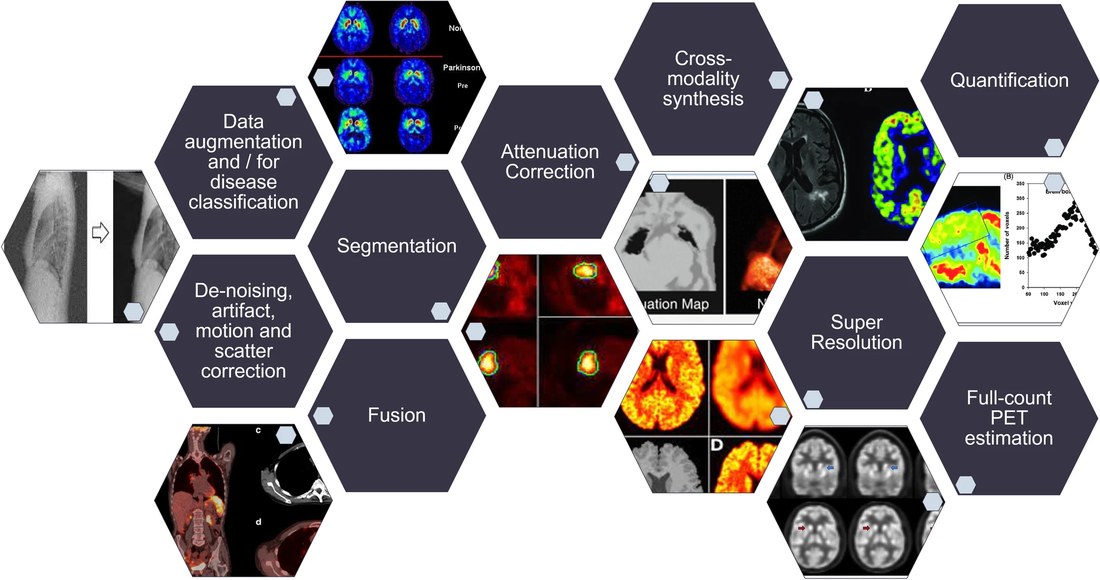
A team with deep track records in AI and machine learning, spanning award-winning academic research and real-world deployment.
Every solution and every verdict is grounded in peer-reviewed methods, not vendor claims.
Transparency is built into the model from the start, aligned with EU AI Act expectations — not added as an afterthought.
Deep experience in clinical AI — imaging, diagnosis, decision support — and the rigour to carry the same standard into any high-stakes domain.
The rare team that can develop the model and independently stand behind it — the whole distance, under one roof.
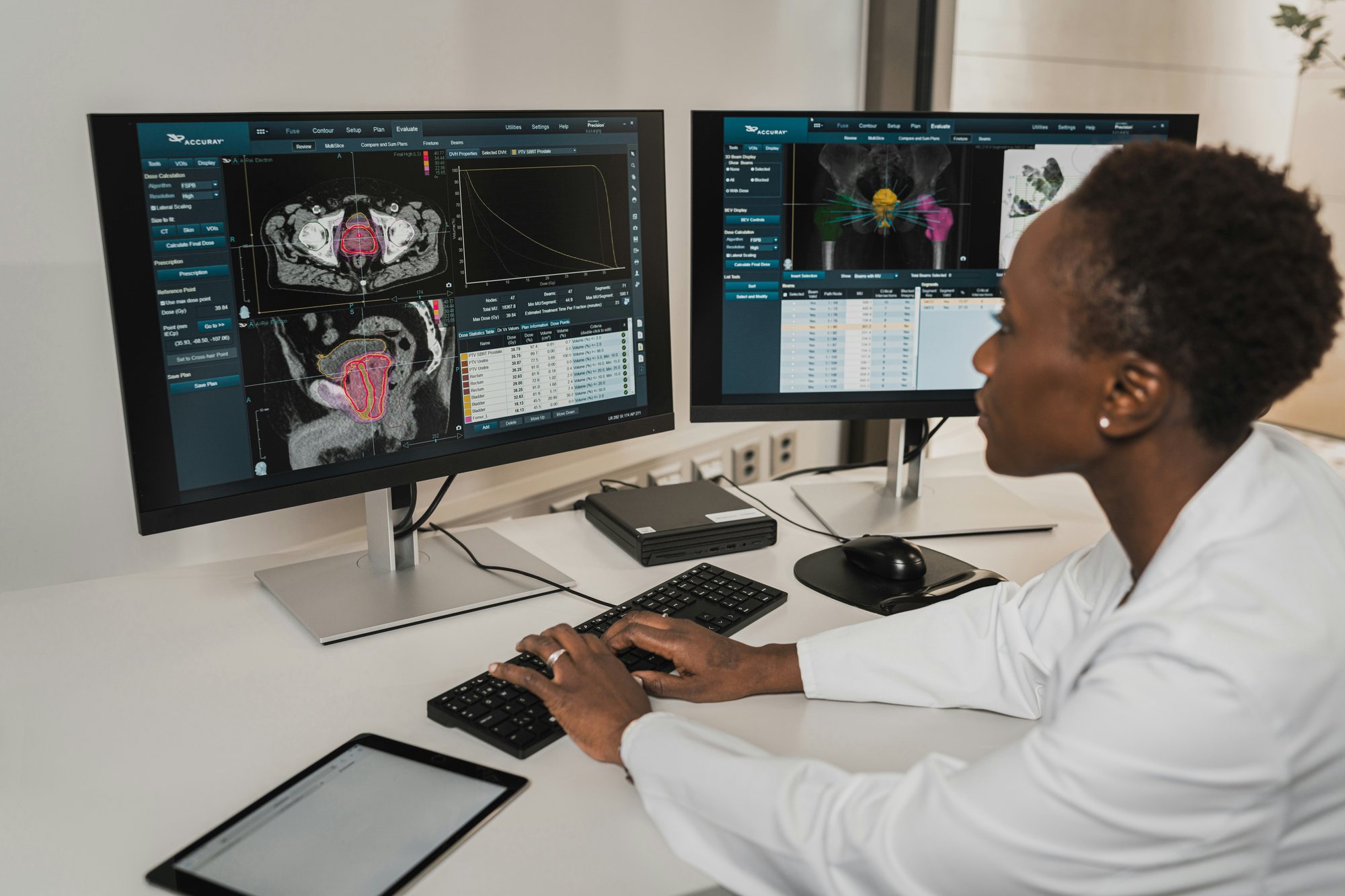
From the first model to the evidence that has to stand up to scrutiny — we work alongside the teams who carry the decision.
We work alongside the teams who carry the decision, as the independent partner on their AI across its whole life: building it, proving it, explaining it, and standing behind it.
Validate and de-risk your medical-AI product before it reaches the market — or partner with us to build it, with assurance engineered in from the start.
Validate decision-support systems in your own setting, keep them trustworthy after go-live, and develop new clinical models tailored to your patients and workflows.
Bring Credio onto your AI project as the independent partner whose results hold up to scrutiny — and whose engineering can turn a promising idea into a working model.
Specialist, on-demand validation capacity for overstretched conformity-assessment teams.
Independent technical due diligence on a model or venture before you commit.
The same rigour travels to any domain where a wrong model is costly — finance, the public sector and beyond.
 From research to requirement
AI is moving from optional guidance to hard requirement. In Europe, the EU AI Act sets binding obligations for high-risk systems, and in medicine those stack on top of the medical-device rules (MDR / IVDR): models must be reliable, representative, explainable and stable, with evidence that maps to standards like PROBAST+AI, TRIPOD+AI, CLAIM and the FDA's Good Machine Learning Practice. The strictest high-risk obligations land in August 2028, and the technical standards aren't fixed yet — building a model the right way, and proving it, takes time you only have if you start now.
Tell us about your AI project and where it stands. You'll get a straight, expert answer on whether — and how — Credio can help: building what you need, or proving what you already have.
Start a project